By Marcelo Freixo, president of Embratur
Article originally published in the newspaper O Globo
A Harris Interactive survey from 2022 shows that 86% of Europeans are willing to change their consumption habits to protect the environment. According to a Deloitte survey, 40% of British people only choose sustainable brands. Engagement with the impacts of consumption is more than a trend, it is a political stance of a generation that understands sustainability as a project for society with values of respect for human rights, social justice and fraternity between peoples.
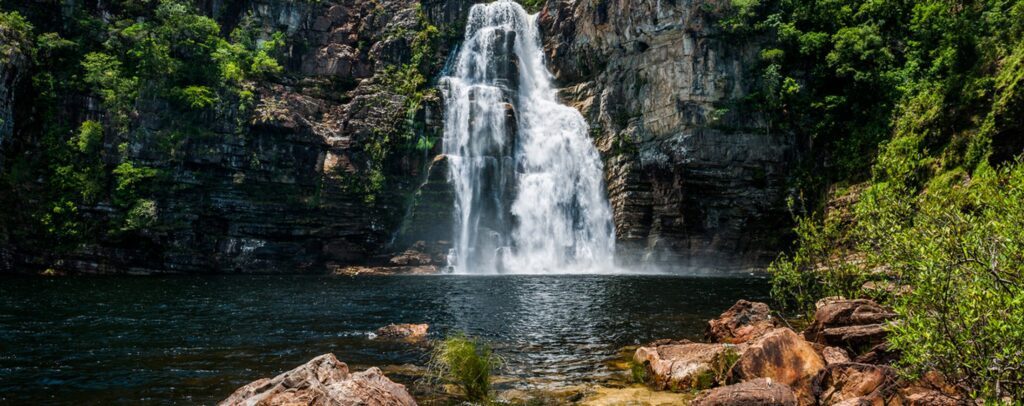
According to the World Travel and Tourism Council (WTTC), 69% of travelers are currently looking for sustainable destinations. In tourism, the choice of where to go on vacation has the power to induce structural changes in the economy of your destination. Anyone who visits the Amazon, the Pantanal or the Atlantic Rainforest contributes to combating unsustainable exploitation of the environment. We now generate more jobs with standing forests than with devastated ones. Out go the chainsaws and illegal mining, in come inns, restaurants and a chain of services that generate jobs and income.
Building a sustainable humanity is a utopia that can only be realized globally. We live on a single planet, and there’s little point in just looking after your backyard. Today, the international community understands that the future of humanity depends to a large extent on the victory of a democratic and sustainable Brazil. They want to visit us to help us make this Brazil project work. And these tourists began to arrive. Since November last year, foreign arrivals have taken a turn for the better, and today we have already reached pre-pandemic levels for 2019.
Embratur works to rebuild Brazil’s image abroad and qualify our services to ensure that they are environmentally, socially and economically sustainable. We created the Sustainability and Climate Action Management, which works with states and municipalities on climate mitigation and adaptation actions, and holds workshops to qualify tourism companies. We are implementing our internal sustainability policy, with targets to neutralize the carbon footprint of our activities.
According to a WTTC projection, one in three new jobs in the world by 2035 will be generated by tourism, an economic activity that is resilient even to the impacts of the advance of artificial intelligence on the job market, after all when we travel we want to interact with people and get to know different cultures. New technologies must be used to improve the tourist experience – and to meet this challenge we created EmbraturLAB.
According to the Getúlio Vargas Foundation, for every real invested in international tourism promotion, R$20 comes into the country. It’s an unbeatable investment. From January to May this year, foreigners left here R$13 billion, the best result in five years. That’s income in the pockets of 7 million workers. Tourism conserves the forest, but also improves infrastructure, education, transportation and public safety. And it produces what Brazilians like best: happiness and jobs.